


Play Therapy
in Fort Collins, CO & Chicago, IL
What is Play Therapy?
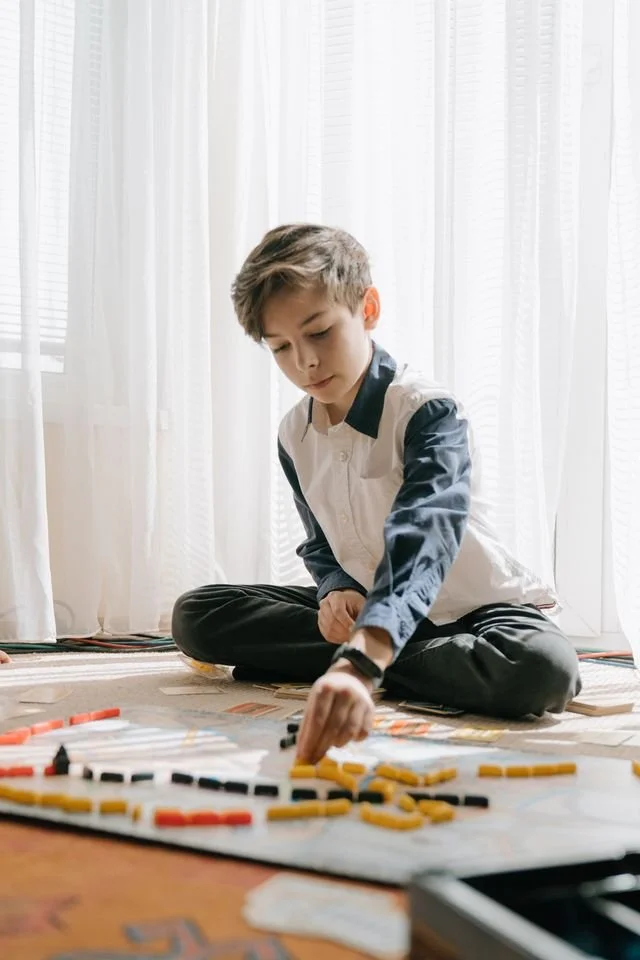
Play therapy is a therapeutic approach based on the understanding that play is a child's natural language and a primary means of learning, growing, and processing their experiences. The goal is to support growth naturally, at the client’s individual pace. Progress in child play therapy may be gradual, with small but meaningful changes. Signs of progress include shifts in play themes, new behaviors, reduced aggression, and increased confidence.
Play therapy can be helpful in supporting trauma, emotional processing, behavioral concerns, family issues, social skill development, school problems, and much more. Children may not yet have the words to express what they are feeling or experiencing, and play offers a way to communicate, explore, and work through these experiences in a developmentally appropriate way.
Have a question or want to schedule a consultation?
When to Seek Play Therapy
Children experience many of the same emotions and stressors as adults, but they often express them differently. Emotional distress may show up through changes in behavior, increased aggression, withdrawal, difficulty regulating emotions, challenges at school, or changes in relationships. These behaviors may be a child's way of communicating needs, feelings, or experiences they do not yet know how to put into words.
A play therapist utilizes play to help children communicate, express themselves, and work through emotional and behavioral challenges. Play therapy may be helpful when a child is navigating a difficult experience, processing trauma, struggling with big emotions, experiencing family changes, or having difficulty connecting with peers or adults. It can also provide support for children who may not have a specific concern but would benefit from a safe space to explore their feelings and develop confidence, resilience, and emotional awareness.
What to Expect in Play Therapy
When considering whether to seek play therapy, it is important to understand the process, what your child may experience, and the role that caregivers play in treatment. There are many different forms of play therapy, including but not limited to:
Child-centered play therapy allows the child to play without direction or restriction. The therapist's role is to create a safe space for the child to freely play and express their emotions in their “natural language.” Rather than directing the child toward a particular outcome, the therapist follows the child's lead and provides acceptance, understanding, and support.
Psychodynamic play therapy explores unconscious emotions and conflicts through play. The therapist observes themes in the play to better understand the child's emotional experiences and how these may connect to their feelings and behaviors.
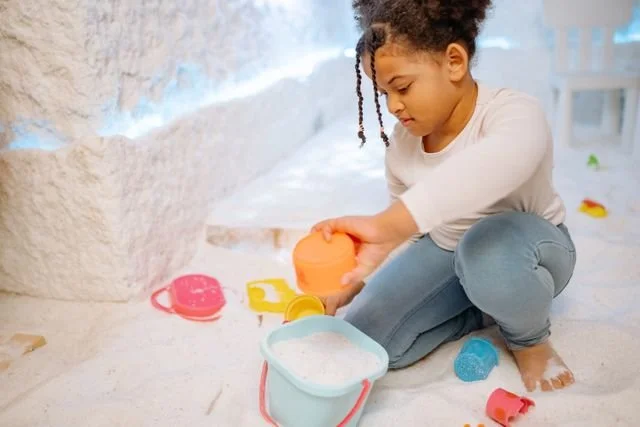
Sandtray therapy utilizes a tray or box of sand and assorted figurines and items. The sand itself provides a calming sensory experience, while the figurines and objects allow the client to create a visual representation of a story, situation, relationship, or internal experience. Sandtray therapy can be used within child-centered play therapy or through a more directive approach, depending on the client's needs and therapeutic goals.
Filial therapy is a family-based approach in which the therapist teaches caregivers how to engage in structured, non-directive play with their children. Rather than working exclusively with the child as the client, this approach helps caregivers strengthen their relationship with their child and develop skills to support emotional expression and connection at home.
Parents and caregivers play a key role in the therapeutic process by providing consent, sharing observations from home and school, and supporting therapy. Depending on the child's needs and the approach being used, the therapist may also work with caregivers to identify patterns, develop strategies, and reinforce progress outside the therapy room.
Play therapy is a strengths-based approach that recognizes the importance of safety, connection, acceptance, and the child's individual pace. Progress in play therapy is gradual; sometimes it looks like a child exploring a new theme in play, expressing an emotion more openly, trying something unfamiliar, or beginning to feel more comfortable in the therapeutic relationship. These small but meaningful shifts can support growth over time.
Like other forms of therapy, play therapy can sometimes bring up uncomfortable emotions or difficult experiences. Children may express distress through their play or experience temporary changes in behavior as they work through challenging feelings. The therapist can help caregivers understand what they may be noticing and support the child as they navigate the therapeutic process.
Who Can Benefit From Play Therapy?
Play therapy is most commonly associated with children, but elements of play therapy can be incorporated into therapy with clients throughout the lifespan. Sandtray therapy, especially, can be useful for people of any age. Play builds rapport and creates opportunities for new dynamics to enter the therapeutic space. Whether that is unstructured imaginative play with a child or a board game with an older adult, the act of playing can strengthen the relationship between client and therapist and provide new ways to explore emotions and experiences.
Play therapy with adults can also be helpful when engaging in inner child work. If play is the child's natural language, then play is the inner child's natural language too. Creative and experiential approaches can offer opportunities to connect with younger parts of ourselves, explore emotions, and approach difficult experiences in ways that may feel different from traditional talk therapy.
Children spend much of their lives following schedules, meeting expectations, and being told by adults what to do, how to behave, and when to do it. Their relationships with adults often come with a natural power imbalance, leaving few spaces where they can simply be themselves without correction or direction. Play therapy offers something different: a space where children are in charge of their own time, free to play, explore, express themselves, or do nothing at all. Within this space, the child is not expected to meet anyone else's expectations. Instead, they experience a relationship built on acceptance, where they are free to be who they are, at their own pace.

Helping Your Child Feel Seen, Safe, and Supported
Play therapy gives children a space to express themselves in ways that feel natural to them. If you are wondering whether play therapy may be a good fit for your child, Little Seed Wellness is here to help you explore the next step.
Therapists That Can Help


Recent Blogs
Play Therapy in
Ft Collins, CO
405 Mathews St, Fort Collins, CO 80524
Play Therapy in
Chicago, IL
5153 N Clark St #310, Chicago, IL 60640